

Our Wines · The vineyard year
A year of judgement.
The calendar gives the seasons. The vineyard sets the pace.
A grower is always looking ahead: at the weather, the vine and the wine they hope to make. Follow the working year through the questions that change with it.
01
Winter: deciding what to keep
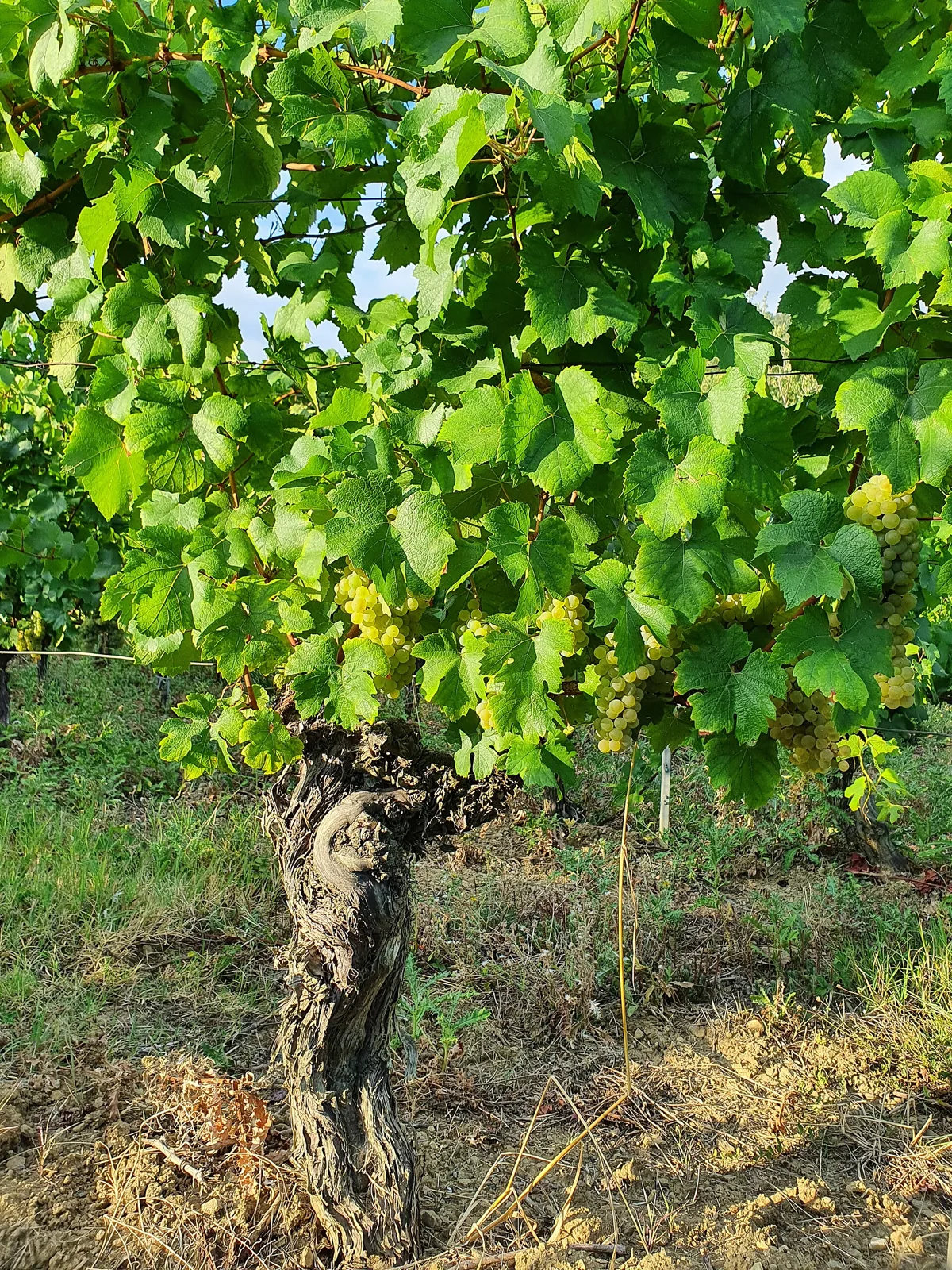
Pruning shapes the vine for the season ahead. The grower chooses the wood and buds to retain while considering the plant’s longer life. At Mouscaillo, the published vineyard approach includes attention to sap flow, vine health and replacing missing plants.
The bare vineyard also reveals the work around it: posts, wires, margins and hedges. The next harvest begins with these practical details.
02
Spring: watching the response
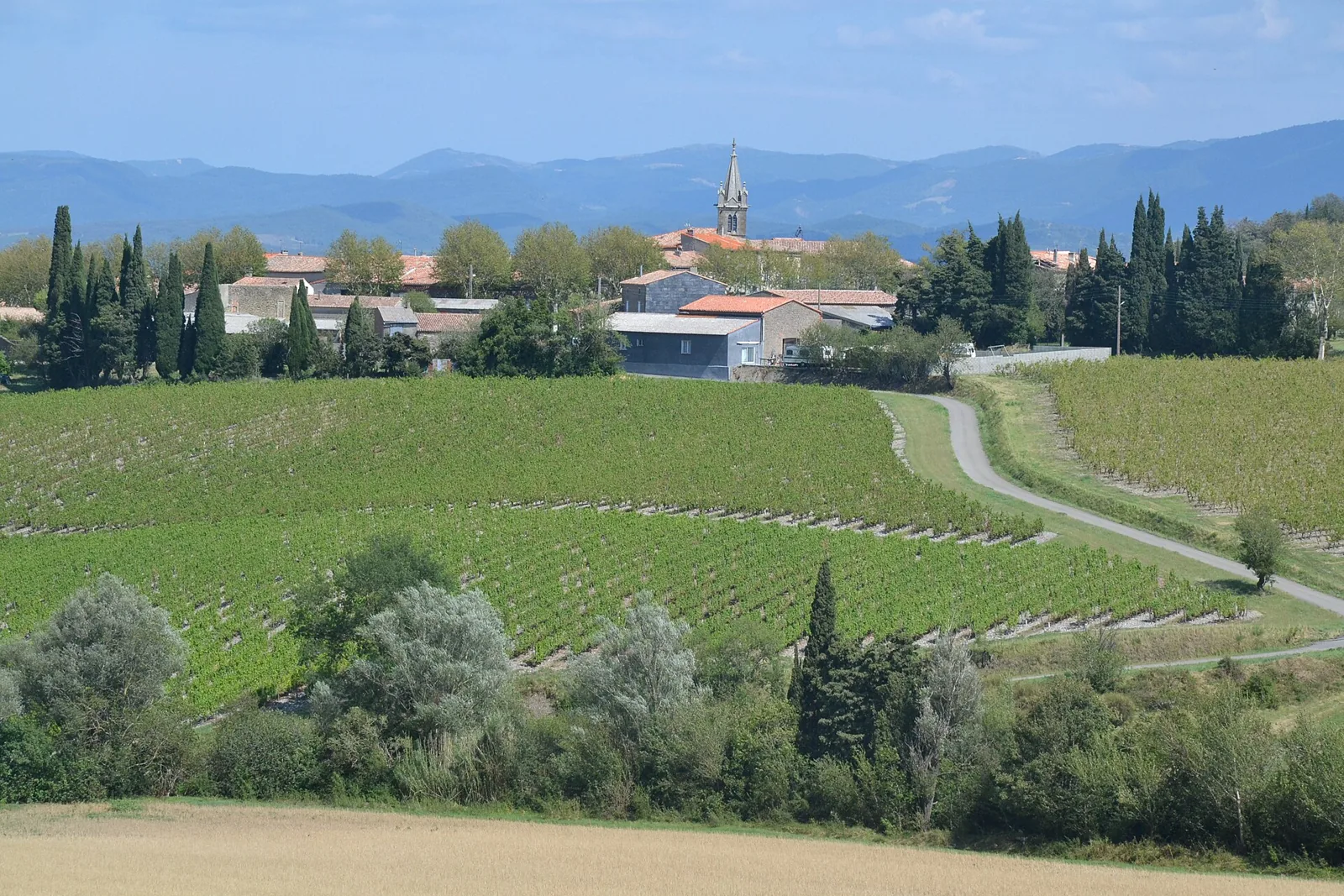
As shoots develop, attention turns to how each parcel is growing. Weather and the condition of the vines guide the work. The same operation can be timely on one slope and premature on another.
Mouscaillo describes disease monitoring and the observation of pests and beneficial organisms. Such work makes farming a continuing response to what is happening in the vineyard.
03
Summer: keeping the intended wine in view
As the fruit develops, the intended wine gives the grower a direction. A sparkling base wine and a still wine ask different questions of ripeness. The parcel, variety and season all matter to the answer.
The approach to harvest is a period of observation, sampling and decisions. A date written on last year’s calendar cannot make those decisions for this year’s crop.
04
Harvest: a series of choices
Picking brings the season’s work into the cellar. At Clos Teisseire, the estate describes harvesting by hand into small crates. Pasquetto also sets hand harvesting within its approach to small-scale winemaking.
The harvest is a sequence of decisions about the fruit and how to handle it. Pressing, fermentation and the separation or combination of parcels begin to give those decisions a different form.
05
The cellar: several years at once
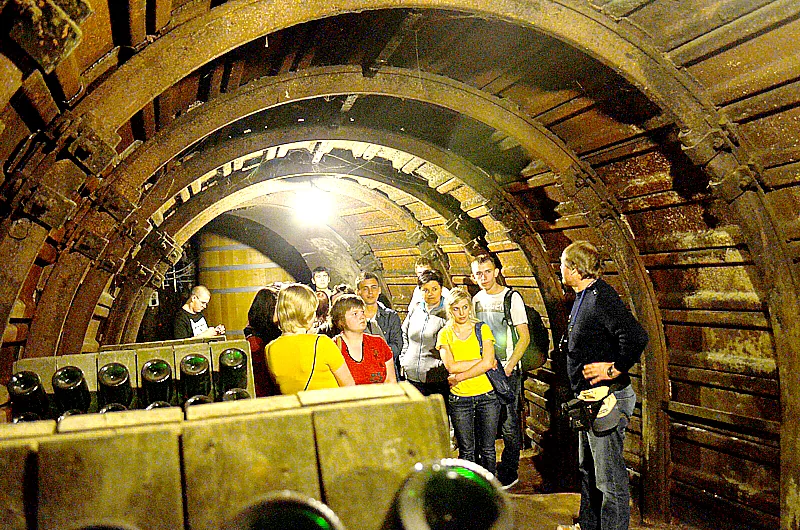
The vineyard moves into a new season while earlier harvests continue their development in the cellar. Sparkling wines following the traditional method undergo a second fermentation in bottle; ancestral-method wine completes its first.
Ageing, blending and preparation for release follow the needs of the cuvée. A cellar can hold several stages of that work at once. The year gives us a way into the story, while each wine follows its own timescale.
The working rhythm
Seasons, rather than deadlines.
An indicative sequence. Weather, site, variety and wine style change the timing.
- Winter
- Pruning and care of vines and vineyard infrastructure.
- Spring
- Observe growth and weather; guide shoots and monitor vine health.
- Summer
- Follow fruit development and prepare for harvest decisions.
- Harvest
- Choose when and how to pick; bring the fruit into the cellar.
- Beyond the harvest
- Fermentation, blending and ageing follow the requirements of each wine.
The work
Old wood, young rows, cold cellars.
Photographs by their authors, reproduced under the licences shown. Follow a credit to see the original file.
Continue the journey
A bottle holds those decisions.
Return to the producers and explore the wines that bring their working year to the table.