Autan
- Setting
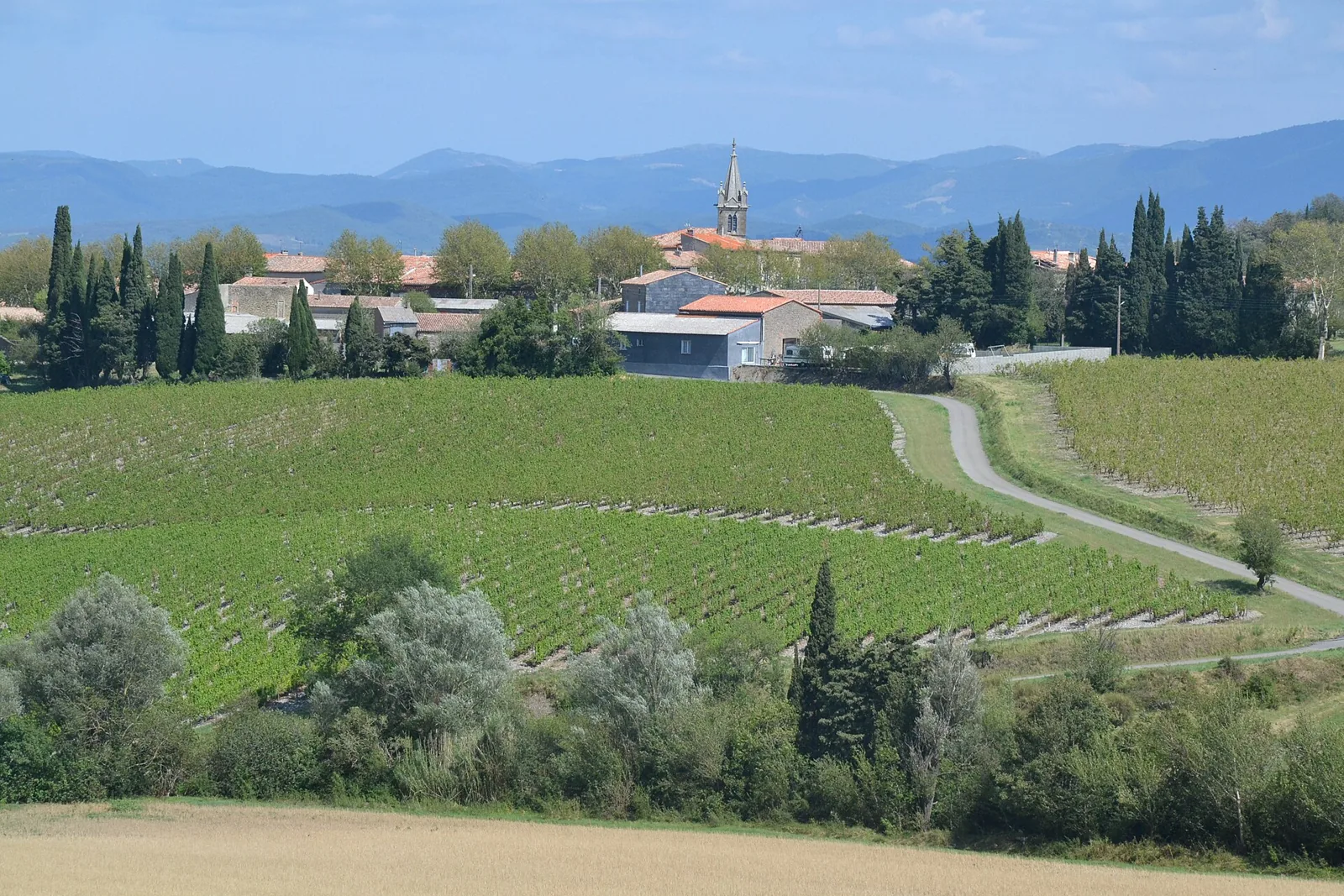
- A sheltered part of the Limoux landscape, generally warm and dry.
Our Wines · The terroirs
The map gives you a region. A grower shows you a vineyard.
Atlantic and Mediterranean influences meet around Limoux, with cooler conditions towards the Pyrenean foothills. That is the broad picture. To understand a wine, we need to move closer.
01
Mouscaillo describes its Limoux Blanc as bringing together north-facing and south-facing parcels. It is a detail you can picture: two exposures contributing to one wine. The blend is already an interpretation of the landscape.
Elevation, exposure and soil work together, and the season changes the balance. A height on a map is a starting point for questions about the vine, the harvest and the intended wine.
02
At Delmas, the published vineyard account describes a harvest typically later than elsewhere in the appellation. Around Alaigne, Girard’s range moves between Malepère and parcels used for Limoux wines. Following the producer brings the map into focus.
For a curious drinker, the useful questions are specific. Where was the fruit grown? Was it vinified separately? What did the grower want to preserve or bring together? The answers give a comparison between bottles something to rest on.
03
Farming becomes easier to understand when we look at the work. At Mouscaillo, restoring hedges, maintaining ground cover, monitoring disease and reducing tractor traffic form parts of the same approach. Delmas describes sowing cereals and legumes between its rows.
A vineyard includes its margins, its soil and the life around it. Every action involves a judgement about the particular site. That is why the Collection follows practices estate by estate, alongside each producer’s stated farming commitments.
04
An appellation tells you where a wine belongs and sets conditions for its production. It leaves room for decisions that distinguish one producer from another: the parcels selected, the blend, the vessels and the time allowed.
When you compare wines, follow one question at a time. Try different growers’ interpretations of a grape, or explore the still and sparkling wines of one domaine. The landscape begins to feel less abstract with each bottle.
Finding your bearings
These broad climatic descriptions help orient the journey. Individual parcels and seasons bring further differences.
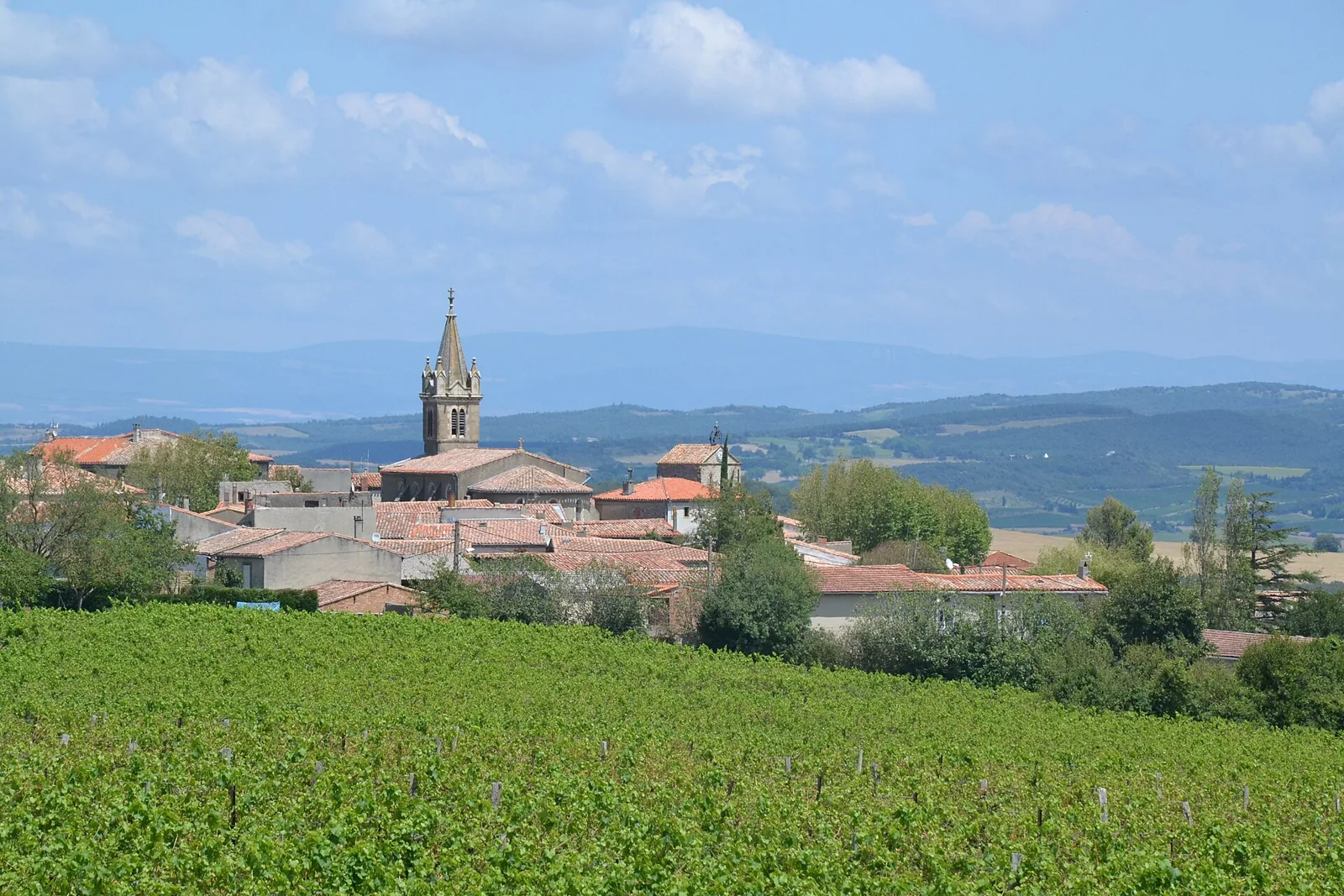
The vineyard
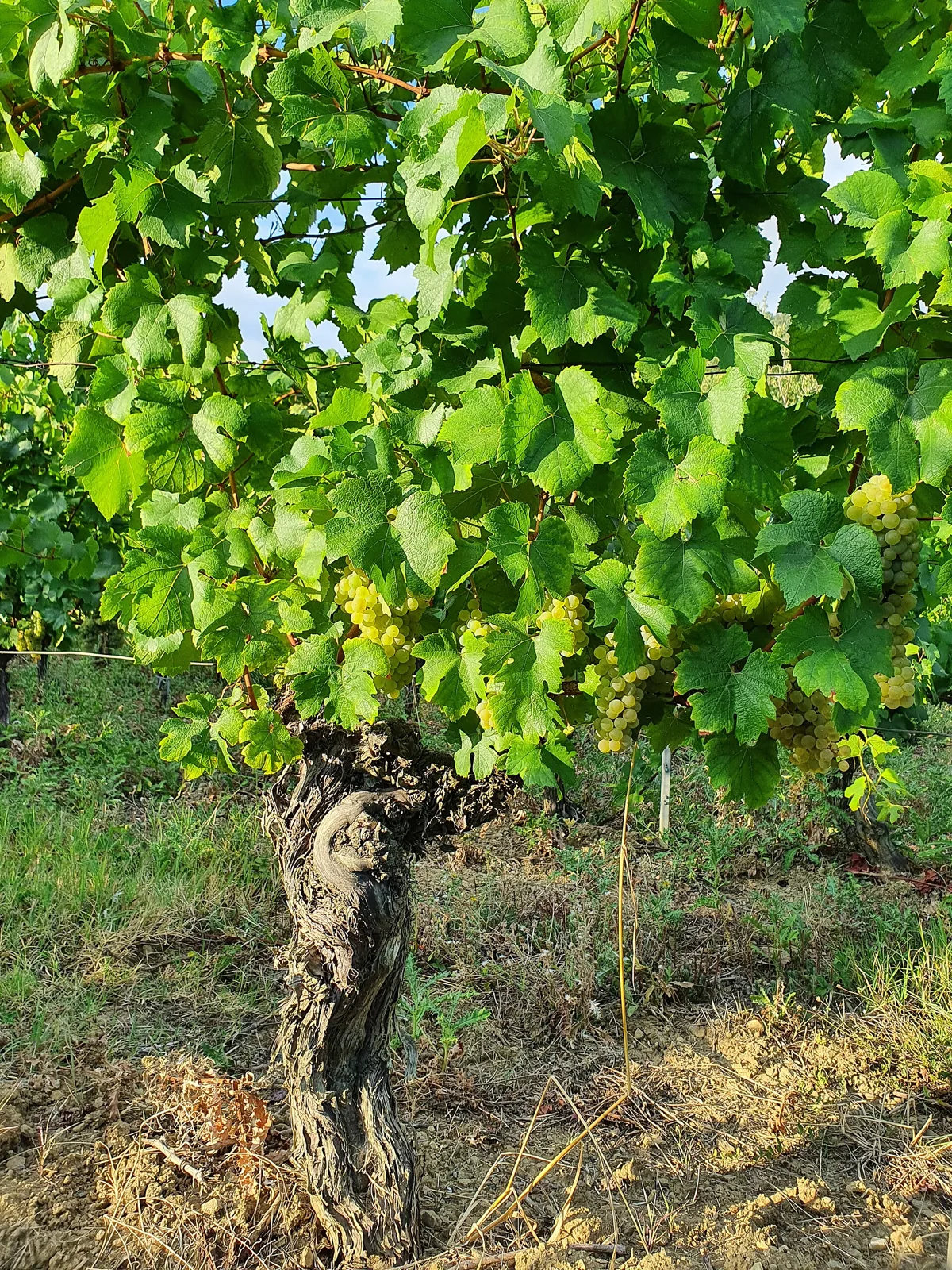
Photographs by their authors, reproduced under the licences shown. Follow a credit to see the original file.
Continue the journey
Follow the work from winter pruning to harvest and into the cellar.